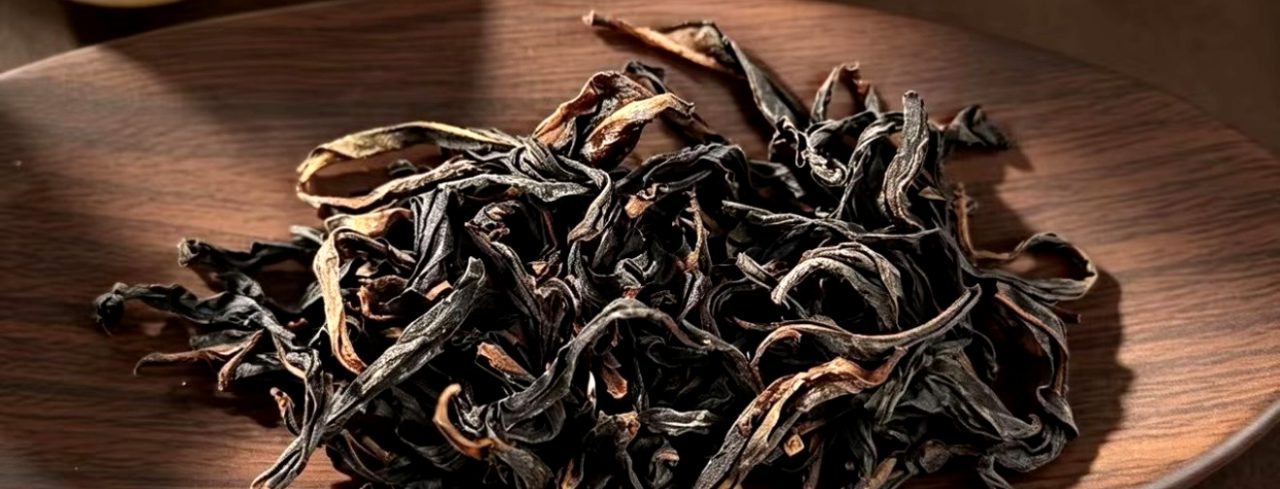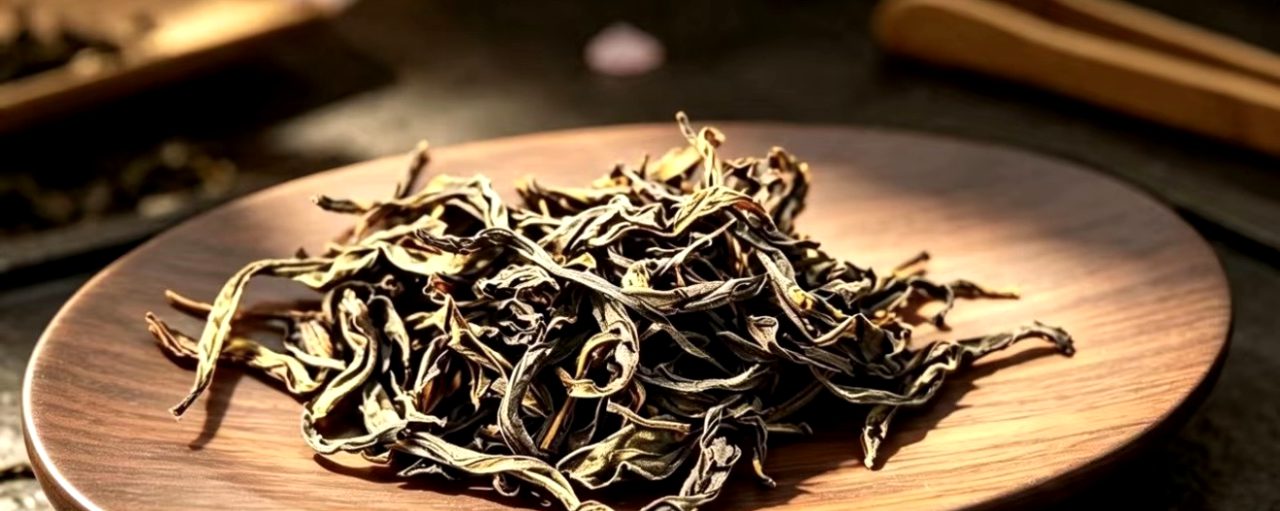
What's in Oolong
Oolong contains caffeine, tea polyphenols (catechins), theanine and trace minerals. Semi-oxidation places its caffeine and antioxidants between green and black tea.
Common Claims & Evidence
- Metabolism: some studies suggest oolong polyphenols may aid fat metabolism, but mildly — not a substitute for diet and exercise
- Antioxidants: catechins and theaflavins fight free radicals as daily wellness
- Alertness: ~20–40mg caffeine per cup; sensitive drinkers cut back after noon
- Mouth feel: tannins are astringent; rinse after meals
Who Should Care
- Pregnant or nursing: limit caffeine, ask a doctor
- Insomnia or palpitations: avoid after evening
- Sensitive stomach: don't drink strong tea on an empty stomach
Tips
- 2–3 light cups a day is fine
- Drink an hour after meals to reduce iron absorption impact
- Cold brew is lower in caffeine, good for the caffeine-shy
Bottom Line
Tea is healthy, not medicine. Moderate, light, and adjusted to your body — that's how to enjoy it long term.